Talitha: A Romantic Monoline Script for Thoughtful Design
Introduction — What is Talitha?
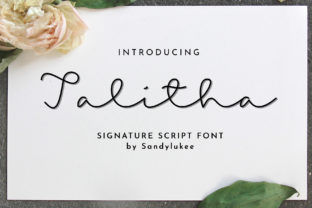
Talitha is a simple, yet sweet monoline script that adds a uniquely romantic spin to any message—ideal for designers seeking warmth and intentionality in their typography. With its gentle curves, consistent stroke width, and graceful rhythm, Talitha stands out among Script Handwritten fonts for its quiet elegance and approachable charm. Whether you're crafting wedding stationery or refining a boutique brand identity, this font delivers sincerity without excess flourish. Looking for a reliable Talitha font download? You’re in the right place—we’ll walk you through where to get it, how to use it responsibly, and why it earns its spot in your toolkit.
Letterforms with Quiet Confidence
Talitha’s lowercase letters flow with subtle variation—not overly ornate, but never mechanical. The entrance and exit strokes are soft and tapered, avoiding sharp terminals that can feel dated or aggressive. Each character breathes naturally, making it more legible at small sizes than many decorative scripts.
Monoline Weight & Consistency
Unlike high-contrast calligraphic fonts, Talitha uses a uniform stroke weight across all glyphs. This monoline quality gives it versatility—it reads cleanly on screens, scales well for packaging, and avoids visual noise in dense layouts. It’s not “light” or “bold,” but intentionally balanced—a hallmark of a premium Script Handwritten font.
Open Spacing & Rhythm
The default letter spacing is generous, supporting readability while preserving its handwritten soul. Tightening it slightly works beautifully for headlines; loosening it further enhances elegance in invitation suites. Compared to bolder, busier scripts like Pacifico or Great Vibes, Talitha offers restraint—making it a smarter choice for professional projects where subtlety matters.
Talitha for logo design
Its clean line work and distinct personality make Talitha an excellent candidate for boutique logos—especially for lifestyle brands, artisanal goods, or wellness studios. Because it’s monoline, it scales crisply from favicon to billboard, and converts cleanly to vector paths.
Talitha for branding
When paired with a strong sans-serif or serif body font, Talitha anchors a brand voice that feels personal but polished. It communicates care, authenticity, and attention to detail—traits increasingly valued in premium consumer markets.
Talitha for wedding invitations and cards
This is where Talitha truly shines. Its romantic tone suits formal announcements without veering into cliché. Use it for names, dates, and short quotes—then pair with a crisp serif (like Cormorant Garamond) for addresses and details. It’s one of the best Script Handwritten fonts for wedding invitations, especially when printed on textured paper.
Talitha for posters, social media, and packaging
From Instagram story headers to apothecary labels, Talitha brings tactile warmth to digital and physical spaces alike. Its even weight ensures clarity on mobile screens, and its modest x-height keeps packaging text legible—even on small jars or tags.
Font Pairing & Combinations
Knowing what fonts pair well with Talitha unlocks its full potential. Its monoline nature means contrast is key—pair it with fonts that offer structure, weight, or texture.
- Serif + Script: Try Playfair Display or EB Garamond for editorial depth. Their high contrast and traditional serifs ground Talitha’s fluidity.
- Sans-serif + Script: Inter or Montserrat provide clean neutrality—ideal for modern branding or web interfaces.
- Display + Body: Use Talitha only for headings or accents; never body copy. Reserve it for moments of emotional emphasis.
These combinations reflect smart Talitha font pairing strategy—not just aesthetics, but functional hierarchy.
Licensing & Commercial Use
So, is Talitha free for commercial use? That depends on your source. Some platforms offer a limited personal-use version, while others provide full commercial licensing. Always verify the Talitha font license before deploying it in client work, merchandise, or digital products. For serious projects, purchasing a licensed version supports the designer and guarantees legal safety—especially important for agencies or freelancers billing for professional Fonts font usage. If you need broad rights, look for bundles that include Talitha commercial use coverage across print, web, and app environments.
How to Download & Use Talitha
You can find a download Talitha font free version on select platforms—but read the terms carefully. CreativeFabrica often includes Talitha in curated font bundles with clear commercial permissions. DaFont and FontSquirrel host variants, though not all grant free Script Handwritten font for Fonts use beyond personal projects. Once downloaded, installing Talitha is straightforward: double-click the .OTF file (Windows/Mac), then click “Install.” In how to use Talitha in Canva/Word/Photoshop, simply refresh your font menu—it appears as “Talitha” or “Talitha Regular.” In Canva, upload it via Brand Kit; in Photoshop, activate it in Character panel; in Word, select it from the font dropdown after installation.
Designer Notes & Tips
Before finalizing a layout, test Talitha in black and white—some monoline scripts lose impact without color or texture. Check readability at 14–16pt for body-sized quotes, and avoid using it below 10pt in print. Also consider Talitha vs similar font alternatives: if you need more contrast or swashes, Amatic SC or Allura may suit—but they lack Talitha’s refined consistency. Talitha isn’t flashy, but it’s dependable—a professional Fonts font that earns trust over time. And if you’re wondering whether it’s worth buying versus relying on a free version: yes, especially for client-facing work where licensing clarity and typographic integrity matter most.